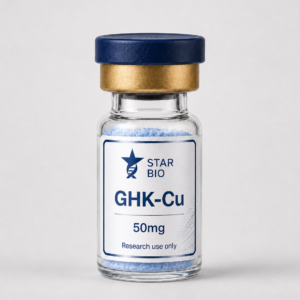
GHK-Cu Peptide: Exploring the Science of Regeneration and Skin Health
GHK-Cu (Copper Tripeptide-1) is a naturally occurring copper-binding peptide that plays a crucial role in skin repair, collagen synthesis, and tissue regeneration. Since its discovery in the 1970s, this small yet powerful compound has become one of the most studied peptides in cosmetic science and regenerative research.
Today, GHK-Cu is widely recognised for its ability to promote wound healing, support skin rejuvenation, and restore a youthful appearance — making it a leading focus in peptide-based skincare research.
What Is GHK-Cu Peptide?
GHK-Cu is a tripeptide composed of glycine, histidine, and lysine combined with a copper ion. It is found naturally in human plasma, saliva, and urine, although levels decline significantly with age. This reduction is thought to contribute to slower tissue repair and visible signs of skin ageing.
The peptide’s biological activity is closely linked to its copper-binding ability. Copper acts as a cofactor for several enzymes that are essential for antioxidant defence, collagen cross-linking, and cellular communication.
How GHK-Cu Works
GHK-Cu supports multiple biological processes that promote regeneration and resilience:
Stimulates Collagen and Elastin Production
GHK-Cu encourages fibroblasts to produce collagen, elastin, and glycosaminoglycans — the building blocks of healthy, firm skin. This supports improved texture, hydration, and elasticity.
Provides Antioxidant and Anti-Inflammatory Protection
The peptide helps regulate gene expression to reduce oxidative stress and inflammation. This helps protect against environmental aggressors such as UV exposure and pollution.
Promotes Wound Healing and Tissue Repair
By stimulating angiogenesis (the formation of new blood vessels) and supporting cellular migration, GHK-Cu enhances wound closure and tissue recovery while reducing visible scarring.
Supports Cellular Renewal
GHK-Cu can influence gene expression related to DNA repair and cellular regeneration, contributing to improved skin vitality and resilience.
Research and Skincare Applications
In skincare research, GHK-Cu is studied for its ability to reduce fine lines, improve skin tone, and enhance elasticity. It is often incorporated into advanced formulations such as serums, creams, and post-procedure treatments.
Beyond skincare, laboratory studies have explored GHK-Cu’s role in promoting hair regrowth by stimulating follicle cells and improving scalp health. It also shows promise in medical research focused on wound healing, tissue repair, and even anti-inflammatory responses.
Stability and Research Use
The stability and effectiveness of GHK-Cu depend on formulation quality and proper storage conditions. High-purity GHK-Cu peptides are preferred in research environments to ensure consistency and accuracy of results.
When handled correctly, GHK-Cu is considered safe for topical and research use, though it is not approved for therapeutic or medicinal applications.
Conclusion
GHK-Cu is one of the most versatile peptides in modern research, combining powerful regenerative and antioxidant properties. By supporting collagen synthesis, enhancing wound healing, and promoting cellular renewal, it offers tremendous potential in the study of skin health, anti-ageing, and tissue regeneration.
As scientific exploration continues, GHK-Cu remains a key focus for those seeking to understand and harness the body’s natural repair mechanisms.
(Disclaimer: This content is for educational and research purposes only. GHK-Cu is not approved for human therapeutic use and should only be handled in controlled research environments.)