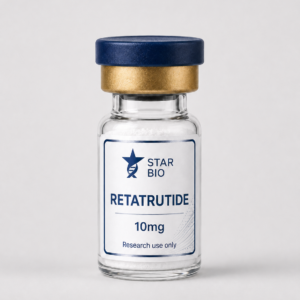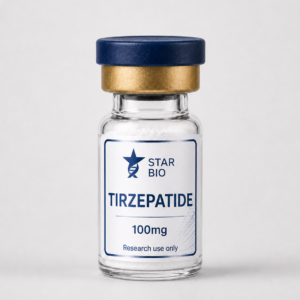
The GLP-1 revolution has transformed obesity and diabetes treatment, with tirz leading the charge. But a newer contender, reta, could push the boundaries even further.
Both medications act on incretin pathways—but their structures and clinical results differ. Let’s break down how reta (triple agonist) stacks up against tirz (dual agonist)—not just for weight loss, but also metabolic health and even emerging neurological applications like ADHD.
Mechanisms: Dual vs. Triple Agonism
Tirz targets GLP-1 and GIP receptors, improving insulin sensitivity, reducing appetite, and supporting weight loss and glucose control.
Reta activates GLP-1, GIP, and glucagon receptors. This triple action enhances appetite suppression, increases energy expenditure, and shows greater overall metabolic modulation.
Weight Loss Results
Retatrutide (Phase II Study)
At 12 mg, participants lost up to 24.2% body weight at 48 weeks.
Over 85% of patients lost ≥15%, and nearly two-thirds lost ≥20%.
Liver fat dropped by up to 86%, especially promising for patients with metabolic dysfunction-associated steatotic liver disease (MASLD).
Tirz (SURPASS Trials)
Up to 22.5% weight loss at 72 weeks with the highest (15 mg) dose.
Graph interpretation: The NEJM trial graph shows faster, steeper weight loss with higher-dose reta compared to placebo—surpassing tirz’s trajectory in less time.
Potential Impact on ADHD
While still early, there’s growing interest in how GLP-1-based drugs may benefit neuropsychiatric conditions, including ADHD:
GLP-1 receptors exist in the brain, particularly in the prefrontal cortex and dopaminergic circuits—key areas implicated in ADHD.
Anecdotal reports and animal models suggest that GLP-1 agonists may modulate attention, impulsivity, and reward processing.
Since reta crosses the blood-brain barrier and affects energy systems and neurotransmitter activity, it’s hypothesized to help regulate executive function and motivation—core challenges in ADHD.
A 2024 preclinical review flagged reta as a candidate for cognitive and behavioral trials, though human studies are pending.
This doesn’t make it a treatment yet, but the neuro-metabolic crossover is worth watching closely.
Metabolic & Cardiovascular Benefits
Beyond weight loss, both drugs deliver:
Improved glycemic control
Triglyceride and LDL reduction
Lowered blood pressure
Reduced inflammation and liver fat
Retatrutide may go even further in reducing apoC-III, a protein tied to triglyceride levels, with up to 40% reduction in some studies.
⚠️ Safety & Status
Tirz is FDA-approved for weight management and diabetes.
Retatrutide is in Phase III trials, with approval likely around 2026–2027.
Both drugs share common side effects: nausea, vomiting, diarrhea—though reta may have more GI effects at high doses (often managed with slower titration).
Final Thought
Retatrutide may be the next frontier in weight management, with potential ripple effects across liver, cardiovascular, and even brain health. While tirz is currently the leader in the clinic, reta’s triple action could reshape the metabolic medicine landscape, including possibly offering hope in conditions like ADHD.
Stay tuned—this science is just getting started.
-
GLP
10mg Retatrutide and 10mg Cargilintide Bundle
Original price was: £169.98.£159.99Current price is: £159.99. Add to cart